Avoid hidden garden maintenance costs in West Kensington
Posted on 04/11/2026
If your garden looks tidy from the patio but quietly drains your wallet behind the scenes, you are not alone. Many West Kensington homeowners start with a simple upkeep plan and end up paying for surprise hedge work, emergency clear-ups, patchy lawn repairs, or one-off fixes that could have been prevented. The good news? Once you know where the hidden costs come from, they are much easier to control.
This guide breaks down how to avoid hidden garden maintenance costs in West Kensington in a practical, no-nonsense way. We will look at the usual budget traps, how maintenance plans really work, what to ask before agreeing to any work, and where small decisions can save you a lot over a season. It is not about cutting corners. It is about spending wisely, keeping the garden healthy, and avoiding the kind of awkward surprises nobody enjoys.
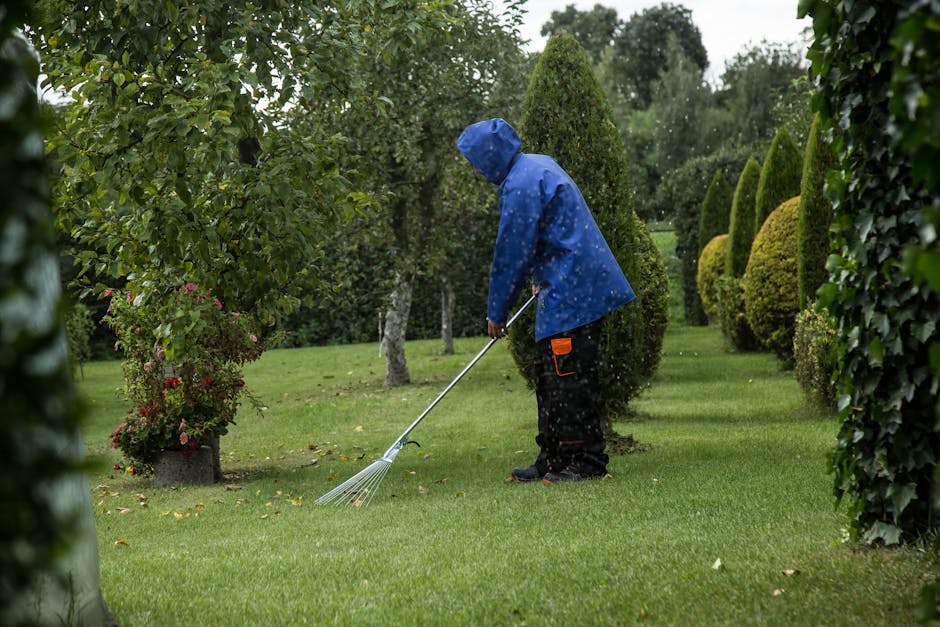
Why Avoid hidden garden maintenance costs in West Kensington Matters
Garden maintenance can feel straightforward at first. Cut the lawn, trim the hedge, sweep the patio, keep weeds down. Easy enough, right? Then the little extras start creeping in: waste removal, access issues, seasonal treatments, damaged fencing, stubborn ivy, moss on paving, and plants that looked lovely in spring but became expensive by autumn. That is where budgets slip.
In West Kensington, gardens are often compact, enclosed, and packed with features that need careful handling. Narrow side access, mature planting, shared boundaries, decking, paved areas, and privacy hedging can all affect the real cost of upkeep. A quote that looks tidy on paper can become less tidy once the practicalities show up. To be fair, that is true in many parts of London, but smaller urban gardens can be especially prone to this.
A hidden cost is not always a scam or a bad quote. Sometimes it is simply an item that was not discussed clearly enough. You may be quoted for hedge trimming but not for green waste disposal. You might budget for lawn mowing but not for scarifying, edging, or repairs caused by poor drainage. And if a garden has been neglected for a while, the first tidy-up can be very different from ongoing maintenance. Very different.
If you want the garden to stay manageable over time, the best approach is to understand where costs arise before they surprise you. That includes looking at plants, structures, access, seasonal pressure, and the level of service you actually need. For example, a space that needs regular hedge care might benefit from a dedicated hedge trimming service in West Kensington rather than occasional emergency cuts that cost more in the long run.
It also helps to think beyond the obvious. A garden with dense planting and shaded corners may need more weed control and clearance than you first expect. If you are planning a redesign, it can be worth reading about low-maintenance ground covers and budget-friendly low-maintenance ideas before you lock yourself into a costly maintenance pattern.
How Avoid hidden garden maintenance costs in West Kensington Works
The basic idea is simple: identify the garden features that create recurring or unexpected work, then plan for them before they turn into add-ons. In practice, that means looking at the garden as a system, not just a list of tasks. Grass grows. Hedges thicken. Ivy climbs. Leaves fall. Paving becomes slippery. Soil compacts. One issue tends to lead to another if it is ignored.
Hidden costs usually appear in one of five ways:
- Scope creep: the job starts as mowing and becomes mowing plus edging, pruning, waste clearance, and a moss treatment.
- Seasonal spikes: spring and autumn often bring more work than a basic monthly plan assumes.
- Plant-related pressure: fast-growing hedges, invasive climbers, and thirsty plants can all increase upkeep.
- Access and logistics: limited access, parked cars, shared pathways, and awkward waste transport can add labour time.
- Reactive rather than planned care: waiting until a hedge is overgrown or a lawn is damaged usually costs more than routine attention.
Once you see the pattern, you can plan around it. A smart maintenance approach often begins with a walk-through of the garden to spot trouble before work starts. That includes checking how long the grass actually takes, whether the hedge is a simple trim or a heavier reduction, whether ivy is creeping into boundaries, and whether hard surfaces need cleaning or weed removal. If ivy is already taking hold, it may be cheaper to deal with it properly now than keep paying for repeated patch fixes. There is a useful read on this in effective ivy removal.
It also helps to match the service to the garden's needs. A small tidy-up is one thing. A garden with mature trees, thick hedging, or aging timber edging is another. In our experience, the bigger the mix of surfaces and plant types, the more important it becomes to ask exactly what is included. Otherwise you may feel that you were quoted for one thing and billed for three. Not ideal.
What tends to get missed most often
People often forget to account for waste removal, tool time, access time, travel, plant health issues, and the extra labour involved in reclaiming an overgrown garden. The first visit after a long gap can be the most expensive because it is a reset, not routine maintenance. That is perfectly normal, but it should be understood upfront.
Another common blind spot is the cost of preserving features you already have. A neat garden seating area, a patio, fencing, or decking all look great, but each one brings a maintenance task that can be forgotten until the surface has already degraded. A damp patio, for example, may need more than a sweep. If that rings true, see patio cleaning in West Kensington and decking services in West Kensington as part of the wider picture.
Key Benefits and Practical Advantages
Once hidden costs are under control, the benefits show up quickly. The garden becomes easier to maintain, less stressful to manage, and more predictable to budget for. That is useful whether you are looking after a small private courtyard or a larger family garden with hedges, borders, and lawns.
- Better budget control: you know what is routine and what is extra, so the invoice is easier to understand.
- Fewer emergency jobs: regular care helps prevent overgrowth, broken edging, and neglected problem areas.
- Healthier planting: plants that are pruned, fed, and weeded on time usually need fewer rescue interventions.
- Cleaner outdoor spaces: tidy patios, paths, and lawns are less likely to develop slippery build-up or long-term staining.
- Less decision fatigue: when the maintenance plan is clear, you do not have to keep renegotiating every small task.
There is also a very practical emotional benefit: the garden stops feeling like a source of low-level anxiety. You know the feeling. You look out at the hedge and think, "I should sort that out soon," and then three weeks pass. A simple plan removes that nagging background noise.
For homeowners trying to shape a garden that is easier to live with, the right planting choices can reduce future labour too. You might like this guide to trees for shade or privacy and these hedge varieties for privacy if you are weighing up long-term maintenance against screening and structure. Sometimes the cheapest garden is not the one with the lowest upfront price. It is the one that does not need rescuing every month.
Who This Is For and When It Makes Sense
This approach makes sense for anyone who wants fewer surprises and a more predictable garden budget. That includes homeowners, landlords, busy families, and people who simply do not want to spend every weekend wrestling with weeds and overgrown edges.
It is especially useful if:
- your garden has been neglected and needs a reset before regular upkeep begins;
- you have hedges, climbers, or mature shrubs that grow faster than expected;
- you rent out a property and need reliable outdoor presentation without constant callouts;
- you are planning improvements and want to avoid creating a high-maintenance layout;
- you have limited access, so every visit takes more organisation than it should;
- you are trying to compare service quotes and want a fair like-for-like comparison.
If your garden is small, you might think hidden costs are not a big deal. Sometimes they are not. But small gardens can be deceptive. A compact space with a hedge line, paving, pots, fencing, and a couple of awkward corners can still generate a surprising amount of maintenance. Little jobs stack up. Fast.
This also matters if you are just getting started with gardening and want to avoid expensive trial and error. Beginners often overestimate what can be left alone. A little planning now can save a lot later, and it helps to build confidence as well. For practical starter guidance, see gardening tips for beginners and where to begin with a forgotten garden.
Step-by-Step Guidance
Here is a straightforward way to reduce hidden costs without overcomplicating the whole thing.
- Walk the garden slowly. Look at grass length, hedge density, weeds, moss, soil condition, leaf fall, access points, and any damaged features. Do not rush this. Most surprise costs start with something visible that was ignored.
- List every recurring task. Include mowing, hedge trimming, border maintenance, seasonal tidy-ups, weed control, waste removal, and cleaning of hard surfaces.
- Separate routine work from one-off work. A regular mow is different from a full reclaiming job. A light hedge trim is not the same as cutting back several seasons of growth.
- Ask what is included in the quote. This is the big one. Clarify labour, green waste, travel, equipment, access time, and whether the price changes if the job is bigger than expected.
- Check for hidden problem areas. Ivy, cracked paving, unstable fencing, poor drainage, or overhanging branches can turn a simple visit into a bigger job.
- Choose maintenance-friendly planting. Low-maintenance borders, good ground cover, and sensible hedge choices can reduce future spend. If you are planning a refresh, have a look at vertical gardening ideas and ground covers that reduce weeding.
- Set a schedule and review it seasonally. Gardens change. Spring, summer, autumn, and winter all bring different work. A plan that fits July may be wrong by October.
- Keep notes after each visit. What took longer than expected? Which areas keep causing extra work? That record helps you adjust before the next season costs creep up again.
A quick real-world example: a West Kensington terrace garden with a narrow lawn, two hedges, and a paved seating area may look like a simple weekly or fortnightly job. But if the hedge grows unevenly, the patio holds moisture, and the lawn edges crumble, the "simple" job becomes a much longer one. A better plan would separate ongoing mowing, seasonal hedge care, and periodic patio cleaning. Easy to say, I know, but it makes a real difference.
Expert Tips for Better Results
Here are the small things that save money over time. They are not glamorous, but they work.
- Be clear about garden priorities. If the hedge and lawn matter most, say so. Do not let a tidy-up drift into unrelated work unless you want that extra spend.
- Trim before growth becomes heavy. A light cut is usually simpler than a big reduction. Let hedges run wild for too long and the labour jumps quickly.
- Deal with ivy early. Ivy is one of those plants that can quietly become a project of its own. Proper removal is usually less costly than repeated patch repairs later.
- Use the right maintenance rhythm. Some gardens need fortnightly attention during peak growing months and far less in winter. Others need steadier attention. The rhythm should fit the garden, not the other way around.
- Design for access. If bins, furniture, or stored items block working space, labour time rises. Little bottlenecks cost money.
- Think in seasons, not single visits. A one-off tidy is often more expensive per hour than an ongoing programme. If you can plan ahead, do it.
And one more, slightly obvious but often ignored: keep the garden simple where you can. A beautiful garden does not have to be high maintenance. In fact, some of the best-looking spaces are surprisingly practical. There is a nice balance to be struck between style and sanity, and that balance saves money.
If wind exposure is part of your problem, especially in open rear gardens or exposed corners, the wrong planting choices can create extra pruning and repair costs. It may help to read windproofing tips for gardens and how to protect your garden against tempests before making major changes.

Common Mistakes to Avoid
Most hidden-cost problems are avoidable. The trouble is that they are easy to miss when you are focused on the end result rather than the maintenance journey.
- Assuming every quote includes waste removal. It often does not. Always ask.
- Comparing prices without comparing scope. One provider may include edging and clearance while another charges separately.
- Leaving hedges too long between trims. That turns a routine task into a larger, pricier cutback.
- Ignoring hard landscaping. Patios, decking, paths, and fences all age. If you leave them too long, repairs can become more expensive than maintenance would have been.
- Letting ivy or weeds spread. These look harmless until they are not. Then the clean-up is slower and more expensive.
- Choosing ornamental features without thinking about upkeep. Pretty is good. Pretty and impossible to maintain is less good, to be honest.
A sneaky mistake is not asking what happens if a job turns out to be larger on the day. A fair provider will explain how they handle that. If they do not, you may end up with a bill that feels bigger than the actual job. No one wants that uncomfortable conversation on the doorstep.
Another one: forgetting that winter and autumn can be maintenance-heavy in different ways. You might mow less, sure, but leaf clearance, pruning prep, and plant protection can still create costs. If you want a more seasonal mindset, winter plant care guidance is worth a look.
Tools, Resources and Recommendations
You do not need a shed full of specialist kit to keep costs down, but having the right tools and the right mindset helps. At minimum, sensible garden maintenance usually relies on decent cutting tools, rakes, gloves, a wheelbarrow or waste bags, and a way to keep paths and patios clear.
For homeowners doing some of the lighter work themselves, it is worth choosing tools that are actually comfortable to use. A blunt lopper or a tired hedge trimmer can slow everything down and create a false economy. A better tool does not just save time. It reduces the chance of a job being abandoned halfway through, which, let's face it, happens more than people admit.
For planning, these resources on the site can help you think through the wider picture:
- garden tools worth prioritising
- practical weed control approaches
- improving soil with organic waste recycling
On the service side, it is sensible to explore maintenance, lawn, tree, and landscaping support as separate needs rather than one vague "garden help" bucket. That can make costs clearer and easier to track. Relevant pages include garden maintenance in West Kensington, lawn mowing in West Kensington, lawn care in West Kensington, tree surgery in West Kensington, and landscaping in West Kensington.
Law, Compliance, Standards and Best Practice
Garden maintenance is not always heavily regulated in the everyday sense, but there are still important best-practice areas to keep in mind. This is especially true if work involves ladders, power tools, waste removal, boundary issues, or access through shared spaces.
At a practical level, good providers should be able to explain how they manage health and safety, insurance, and site-specific risks. If work involves cutting back trees, large hedges, or overgrown areas, safe working methods matter. So does careful handling of waste, especially when there is a lot of material to remove.
For property owners, there is also the broader point of duty of care. If branches, slippery surfaces, loose paving, or damaged fencing could affect visitors, neighbours, or passers-by, neglect can become more than a cosmetic issue. It is wise to deal with problems before they escalate. No drama, just common sense.
Best practice usually includes:
- clear written agreement on scope and pricing;
- confirmation of what happens with green waste;
- basic risk awareness for tools, access, and weather conditions;
- regular rather than reactive maintenance where possible;
- documentation of any larger or unusual work before it begins.
For service confidence, it can also help to review a provider's public policies where available. Relevant pages include insurance and safety, health and safety policy, terms and conditions, privacy policy, and payment and security. These do not guarantee perfection, of course, but they do tell you a lot about how seriously a business treats the basics.
Options, Methods, or Comparison Table
There are a few common ways to manage garden upkeep. The right one depends on how much time you have, how complex the garden is, and how predictable you want the costs to be.
| Approach | Best for | Cost predictability | Main risk |
|---|---|---|---|
| One-off visits | Simple tidy-ups, occasional resets | Low to medium | Unexpected extras if the garden is more overgrown than expected |
| Regular maintenance plan | Busy homeowners, ongoing upkeep, rental properties | High | May cost more upfront, but often reduces surprises |
| Hybrid approach | Gardens with seasonal peaks or mixed features | Medium to high | Needs clearer planning so the schedule does not drift |
| DIY with occasional support | Smaller gardens, confident gardeners, lower budgets | Medium | Missed problem areas can still become expensive later |
If your garden includes specialist features like tall hedges, boundary screening, or privacy planting, a hybrid or regular plan is often the most sensible. The reason is simple: those features look neat when they are looked after, but they can become expensive when they are left too long. If privacy is part of your setup, a little research on relaxing garden seating spaces and pet-friendly garden design can help you avoid paying for changes twice.
Case Study or Real-World Example
Here is a realistic West Kensington-style example. A homeowner with a compact rear garden had what looked like a straightforward monthly maintenance need: mow the lawn, trim one hedge, and sweep the patio. But each visit started to become longer because of three things: ivy along the back wall, a hedge that had been left too long between trims, and patio staining that made the surface slick after rain.
At first, the garden seemed cheap to maintain. The hidden costs appeared gradually. Extra time was needed to manage the ivy, more cuttings were produced than expected, and the patio had to be treated properly rather than just brushed. The owner had not done anything "wrong" as such. They simply had not broken the garden into separate cost drivers.
Once the maintenance was reorganised, things improved. The hedge was trimmed more regularly, the ivy was removed properly, and the patio was added to a seasonal cleaning cycle instead of being ignored until it looked bad. The work still needed doing, but the bills became more predictable. That is the whole point, really.
There was one small unexpected win too: after simplifying the planting and reducing the amount of fiddly edging, the garden felt larger and easier to use. Less clutter, less chasing after problems, more actual enjoyment. Funny how that works.
Practical Checklist
Use this checklist before approving any maintenance quote or planning your own upkeep.
- Have I identified all recurring tasks, not just the obvious ones?
- Does the quote include labour, waste removal, and any access-related time?
- Are hedges, ivy, lawns, patios, decking, fencing, and trees all considered separately?
- Is this a routine visit or a one-off reclaiming job?
- Do I know which work is seasonal and which is year-round?
- Are there any hidden problem areas such as drainage, moss, or broken edges?
- Would a maintenance plan be cheaper than repeated emergency visits?
- Have I chosen plants and features that match the time I can realistically spend?
- Is there a clear note on how changes to scope are handled?
- Do I understand what happens if weather delays the work?
If you can tick most of those off, you are already ahead of many garden owners. Honestly, just asking the questions makes a big difference.
Conclusion
Avoiding hidden garden maintenance costs in West Kensington comes down to clarity, planning, and choosing the right level of care for the garden you actually have. Not the garden you imagine on a sunny afternoon in June. The real one, with its awkward corners, fast-growing hedge, damp paving, and slightly stubborn patch near the fence.
Once you know what drives the cost, you can make calmer decisions. You can compare quotes properly, choose lower-maintenance planting, schedule the right services, and prevent the small issues that turn into expensive ones. That is a much better position to be in, and it tends to make the garden more enjoyable too.
Get a free quote today and see how much you can save.
And if you are still weighing things up, start with the part of the garden that gives you the most hassle. Fix that first. The rest usually becomes easier after that.

With his gardening proficiency, Jeffrey can craft informative articles on landscaping, lawn care, and garden maintenance, assisting a multitude of people in cultivating their dream gardens.