Commercial garden maintenance for Olympia London businesses
Posted on 12/11/2026
Commercial Garden Maintenance for Olympia London Businesses
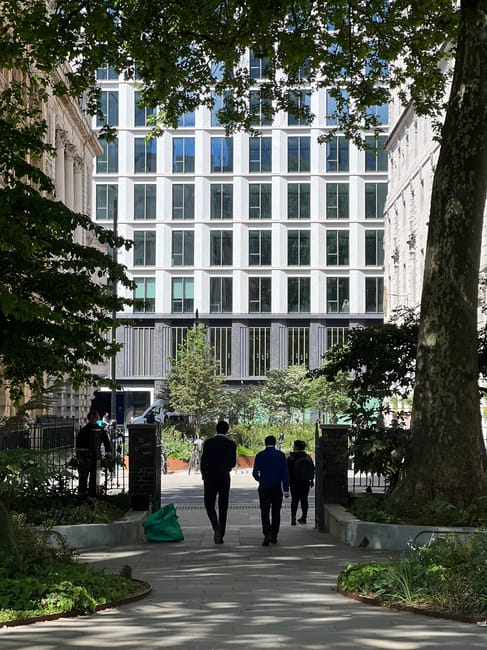
If you run a business near Olympia London, your exterior space is doing a quiet job for you every single day. It greets visitors before a receptionist does, frames your brand before a logo gets noticed, and either reassures people or makes them wonder what else is being neglected. Commercial garden maintenance for Olympia London businesses is about keeping that first impression polished, safe, and manageable all year round.
To be fair, a commercial garden is rarely "just a garden". It might be a front forecourt, a courtyard, a roof terrace, a narrow side return, or a strip of planting squeezed between paving and parking bays. The work has to be reliable, tidy, and discreet. In this guide, we'll look at how commercial maintenance works, what it typically includes, where the common problems appear, and how Olympia-area businesses can make smarter decisions without overcomplicating things.
Why Commercial garden maintenance for Olympia London businesses Matters
Olympia is a busy, high-visibility part of west London. Footfall can be intense, weather exposure is real, and outdoor spaces often have to look presentable with very little margin for error. That's why commercial garden maintenance matters so much here: it protects appearance, reduces avoidable hazards, and helps your property feel cared for rather than left to drift.
For businesses, outdoor upkeep is not only about flowers and lawns. It's about risk management. Slippery patios, overgrown hedges, blocked drains, weed growth around entrances, and tired planting all create a different kind of message. People notice. Sometimes they do not even consciously notice, but they feel it. A crisp, well-kept exterior says the business is organised. A neglected one says the opposite. Harsh? Maybe. True? Also yes.
There's also the local reality of London weather and urban stress. Planting near roads gets soot and dust. Wind tunnels between buildings can batter soft growth. Shade from tall structures can turn once-lush beds into patchy, damp corners. Good maintenance adapts to those conditions rather than fighting them blindly.
If you're thinking beyond "basic tidy-up", some broader garden design ideas can help too. For example, choosing structures and planting for privacy or shade is often just as important in commercial settings as it is at home, which is why guides like choosing trees for shade or privacy can be surprisingly useful when planning a more resilient layout.
How Commercial garden maintenance for Olympia London businesses Works
Commercial maintenance usually starts with a site review. That's the practical bit where someone looks at what the space is actually doing, not what it was meant to do when it was planted years ago. The team checks access, plant condition, lawn health, pruning needs, hard landscaping, waste volumes, and seasonal pressure points.
From there, the work is often planned as a schedule rather than a one-off. That schedule might include weekly mowing, fortnightly hedge trimming, seasonal planting refreshes, one-off clearances, or a combined package that covers soft landscaping and the tidying jobs that pile up quickly in busy premises. Some sites need constant light attention; others need deeper visits at specific times of year. Truth be told, the best plan is the one that matches how the site is used.
In practice, commercial garden care tends to include these core tasks:
- Lawn mowing and edging
- Hedge trimming and shaping
- Weed control in beds, borders, paving joints, and paths
- Pruning shrubs, climbers, and small trees
- Leaf clearance and seasonal litter removal
- Patio, decking, and entrance cleaning where relevant
- Mulching, feeding, and soil improvement
- Replanting or replacing tired seasonal displays
- Monitoring for pests, disease, or storm damage
Where hedges are a major visual feature, trimming becomes more than a tidy-up task. It affects sightlines, branding, and even security. A neat green boundary can make a surprisingly strong visual statement, and if you're weighing shape, height, or structure, hedge trimming skills and creative shaping gives a good sense of how precision changes the whole feel of a space.
Commercial sites also need responsiveness. A maintenance plan is not just a timetable; it's a system for dealing with the things that happen between visits. A branch breaks after a windy night. Weeds push through after rain. A new tenant changes how the entrance is used. Good maintenance notices that and adjusts. Not glamorous, but very useful.
Key Benefits and Practical Advantages
The obvious benefit is appearance, but there's more to it than looking neat for a client visit. Commercial garden maintenance can reduce long-term repair costs, support safer access, and extend the life of planting and hard surfaces.
Here are the main practical gains:
- Stronger first impressions: tidy entrances and well-kept planting help visitors feel confident.
- Lower risk of trip and slip issues: fewer leaves, less moss, cleaner paving, and properly cut back growth.
- Better plant survival: regular pruning, feeding, and watering checks stop small problems becoming expensive ones.
- Improved staff wellbeing: people do notice a pleasant outdoor space, even if they are just walking past it on the way to work.
- More predictable budgeting: scheduled maintenance is easier to manage than repeated emergency callouts.
- Longer life for outdoor features: decking, patios, fencing, and planters last better when they're kept clean and clear.
There's also an operational benefit that gets overlooked: consistency. Businesses don't usually need a dramatic garden makeover every month. They need the site to look deliberate and cared for, week after week. That stability matters, especially if your premises host clients, guests, or the public.
For lower-input spaces, smart planting choices can help maintenance work harder for you. A few well-chosen ground covers, for instance, can reduce bare soil and suppress weeds naturally. If you're considering that kind of approach, ground covers that reduce upkeep is worth a look. Likewise, if privacy is part of the brief, thriving hedge varieties for privacy can help you think in practical terms rather than purely decorative ones.
Who This Is For and When It Makes Sense
Commercial garden maintenance is a good fit for any Olympia business that has outdoor space visible to staff, customers, visitors, tenants, or passers-by. That includes offices, hospitality venues, showrooms, schools, managed properties, healthcare settings, residential blocks, and mixed-use buildings.
It especially makes sense if:
- your garden or frontage is part of your customer experience
- you've got recurring weed, moss, or leaf issues
- your team is spending too much time on outdoor tidying
- planting looks uneven, sparse, or overgrown by the end of each season
- you need regular upkeep but not full redesign work
- you want one contractor to handle soft landscaping, pruning, and clean-up
Sometimes the trigger is more immediate. A landlord wants a property ready for a viewing. A restaurant terrace needs attention before the weekend. A business park receives complaints about messy edging or scruffy borders. Or the site manager simply gets tired of seeing the same issues come back every fortnight. Fair enough.
Maintenance can also form part of a wider reset. If a neglected site needs clearing before a sensible plan can begin, it helps to approach it in the right order. That's where practical advice such as reimagining a forgotten garden becomes relevant: clear, assess, prioritise, then improve.
Step-by-Step Guidance
If you're arranging maintenance for a commercial site in Olympia, a simple structure makes the process much easier to control.
- Walk the site properly. Look at entrances, side access, beds, borders, fences, planted containers, and any hidden corners where litter gathers.
- Separate safety issues from cosmetic issues. A slippery path or broken branch comes before aesthetic tidy-ups.
- List recurring tasks. These are the things that keep coming back: mowing, trimming, weed control, leaf clearance, and seasonal planting care.
- Set priorities by visibility. Focus first on what clients, tenants, or visitors see immediately.
- Choose a schedule. Weekly, fortnightly, monthly, or seasonal intervals should match the pace of growth and the site's use.
- Agree what is included. Avoid confusion about waste removal, supply of plants, pruning limits, or additional one-off work.
- Review after the first few visits. The site will tell you if the schedule is too light, too heavy, or just about right.
A lot of people skip step six and then wonder why invoices or expectations don't line up. That happens more often than you'd think. It's not a drama, just a reminder that gardens are living spaces, not fixed assets. They change. Fast.
For businesses that want to keep the grounds pleasant without turning them into a full-time project, it can help to mix soft planting with low-maintenance features. low-maintenance garden ideas can spark useful thinking, even in a commercial setting, because the underlying principle is the same: reduce friction, keep the site tidy, and avoid designs that demand constant rescue work.
Expert Tips for Better Results
Here's where good commercial maintenance becomes great. Small decisions make a noticeable difference over time.
- Match planting to the site conditions. Shade, wind, reflected heat, and restricted rooting space all matter in London.
- Use pruning to guide shape early. Corrective pruning later is usually harder and less elegant.
- Keep edges crisp. A neat edge around a lawn or border can make the whole site feel sharper.
- Don't let ivy run the show. It can quickly take over brick, fences, and planting beds if left unchecked.
- Plan for winter before winter arrives. The best time to protect plants is before the first hard cold snap.
- Think in layers. Ground covers, shrubs, and structured hedging often create a more stable result than isolated feature plants.
If your business garden has shade problems or exposed gaps, some planning around wind and cover will save you money later. A site that gets battered by weather every time the seasons turn is a site that needs resilience built in from the start. For that kind of thinking, windproof garden techniques and storm-ready garden ideas are both useful reference points.
And yes, a tidy garden is lovely. But a manageable garden is better. That's the bit people learn after a few seasons of fighting the same problem over and over. Usually around the third cup of tea, if we're honest.
Common Mistakes to Avoid
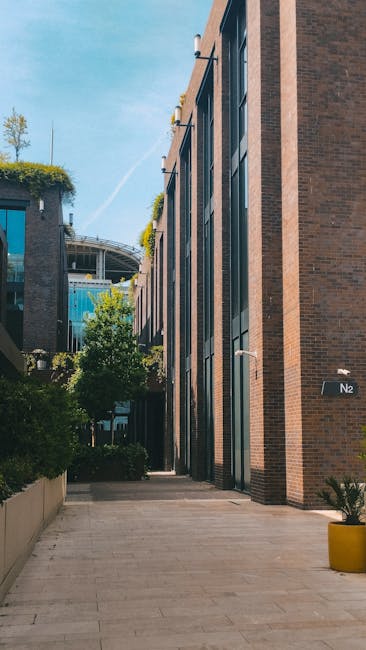
A lot of commercial garden problems are not caused by neglect alone. They come from small planning mistakes that snowball. The good news? Most of them are avoidable.
- Overplanting the space. Cramped planting looks full at first, then becomes crowded, damp, and awkward to maintain.
- Choosing high-maintenance plants for a low-attention site. Beautiful plants can still be the wrong fit.
- Ignoring access. If mowers, trimmers, or waste bags can't move freely, maintenance becomes slower and more expensive.
- Leaving ivy, weeds, or self-seeded growth to "sort itself out". It usually doesn't.
- Forgetting hard surfaces. Paving, decking, and patios need cleaning too, or they undermine the overall look.
- Assuming one annual visit is enough. For most commercial spaces near Olympia, that's simply too thin.
One of the sneakiest problems is delayed maintenance after a quiet period. A site can look fine in early spring and then suddenly appear tired by midsummer. A few weeks of growth, rain, and foot traffic are enough to change the picture. This is why scheduled care usually beats reactive care.
If an area has become badly overrun, it may need more than routine attention. Ivy removal, for example, needs a proper approach rather than a quick tug-and-hope tactic. There's a solid explanation in removing ivy effectively, which is exactly the kind of groundwork that helps a commercial site recover properly.
Tools, Resources and Recommendations
A professional maintenance team will usually carry a mix of hand tools and powered equipment suited to the site. You do not need to know every model or blade size, but it helps to understand the categories involved.
| Method or tool | Best for | Why it matters |
|---|---|---|
| Hand shears and secateurs | Precise trimming, deadheading, light pruning | Good for detail work around entrances and feature beds |
| Hedge trimmers | Fast shaping and routine hedge maintenance | Helps keep screens and borders even and tidy |
| Lawn mowers and edging tools | Grass areas, lawns, and verge edges | Creates the crisp finish people notice immediately |
| Weed-control tools | Paths, beds, fence lines, and paving joints | Stops small gaps from becoming recurring problems |
| Pressure or patio-cleaning equipment | Hard surfaces, terraces, and entrance areas | Improves safety and presentation at the same time |
Beyond tools, the best resource is a good site plan. Even a simple one helps you note what grows where, what gets shade, what dries out quickly, and which features need extra attention. If you want to build a better maintenance rhythm, practical reading on essentials such as indispensable gardening tools can help you think more clearly about what work should be done manually and what should be handled as part of a structured service.
For spaces that are more about atmosphere than full planting beds, don't overlook the value of calm, restrained design. Sometimes a small seating area, a simple hedge line, or a few clean containers do more for a commercial property than an overcomplicated display. The article on creating a relaxing garden seating space is a good reminder that function and comfort can work together.
There's also plenty to be said for low-effort improvements like mulch, ground cover, and better soil management. If the soil is tired, the whole garden looks tired. A helpful starting point is organic waste recycling for healthier soil, which fits well with a more sustainable commercial maintenance routine.
Law, Compliance, Standards, or Best Practice
For commercial sites, maintenance is not just a visual issue. It can also involve duty of care, access, safe working practices, and waste handling. Exact legal responsibilities depend on the property type and the work being carried out, so this section should be treated as general guidance rather than legal advice.
In the UK, commercial premises usually need to consider:
- Health and safety planning for staff, contractors, residents, and visitors
- Safe access and clear walkways around entrances, paths, and emergency routes
- Proper use of equipment and sensible control of noise, dust, and flying debris
- Waste removal and disposal in a tidy, responsible manner
- Insurance awareness when contractors work on site
- Respect for neighbouring properties, especially in dense London settings
Best practice also means keeping records. Not heavy paperwork for the sake of it, just enough to know what was done, when it was done, and whether anything needs revisiting. That is especially helpful for managed buildings and multi-tenant sites where more than one person may ask, "When was this last sorted?"
If a provider has clear policies, that is reassuring. It shows there is thought behind the service, not just a van and a mower. Pages such as insurance and safety, health and safety policy, and terms and conditions can help a business understand the standard of professionalism to expect. For broader company transparency, about us is also worth reviewing.
Some businesses also need to think about accessibility. Not every outdoor space is used by the same people in the same way, and paths, entrances, and seating zones should stay practical, not just pretty. If accessibility matters to your site, that should be part of the maintenance conversation from the beginning.
Options, Methods, or Comparison Table
Commercial gardens are not all maintained in the same way. The right approach depends on visibility, planting density, and how much the site is used. Here's a useful comparison.
| Approach | Best for | Pros | Watch-outs |
|---|---|---|---|
| Weekly routine maintenance | High-footfall businesses and visible frontages | Very tidy, predictable, quick to correct issues | Higher ongoing cost than occasional visits |
| Fortnightly maintenance | Moderate-use sites with established planting | Good balance of cost and presentation | May struggle during peak growth seasons |
| Seasonal maintenance | Lower-visibility spaces or simple planting schemes | Useful for pruning, planting refreshes, and resets | Can allow weeds and mess to build between visits |
| One-off clearance | Neglected sites or post-construction tidy-ups | Fast visible improvement | Does not solve ongoing growth or recurrence |
If your property has lawns, the choice becomes even more specific. Some sites need regular mowing to stay sharp; others need deeper lawn care to restore patchy grass, improve drainage, or correct compaction. In those cases, it helps to compare lawn mowing with lawn care rather than treating them as the same thing. They're related, but not identical. Small distinction, big effect.
Likewise, if hard surfaces are letting the side down, a combined maintenance plan may include patio cleaning or even work around fences and boundaries. That broader approach tends to look more coherent than piecemeal patching.
Case Study or Real-World Example
Imagine a small office building near Olympia with a front border, a narrow side passage, two planted containers by the entrance, and a strip of lawn at the rear used mostly for informal breaks. On paper, nothing dramatic. In reality, plenty to manage.
At first visit, the obvious issues are weeds in the paving, soft growth leaning into the path, patchy lawn edges, and a hedge that has crept higher than it should. There's also a bit of ivy trying to take liberties along the fence line. Not a disaster, but enough to make the place look tired.
A sensible maintenance plan would start with clearance and shaping. Then the team would define the regular tasks: edging, hedge trimming, weed control, container care, and periodic lawn care. The side passage would need to stay safe and dry. The entrance would need to look crisp. The rear lawn could be brought back gradually with more focused attention.
Over time, the site would stop looking like a list of jobs and start looking like a managed space. That's the real shift. Visitors notice the difference, even if they cannot name what changed. It just feels calmer, more deliberate, more cared for.
That same principle applies whether the space is a courtyard, a retail frontage, or a shared garden in a managed building. A good maintenance rhythm turns a reactive mess into a place people are actually glad to walk through.
Practical Checklist
Use this simple checklist before you book or review commercial garden maintenance for an Olympia site:
- Walk the full site at least once in daylight
- Identify entrances, high-visibility areas, and hidden problem spots
- Note any safety issues, including slippery surfaces or overhanging growth
- List recurring tasks by season, not just by month
- Separate routine work from one-off clearance jobs
- Check whether hedges, shrubs, and lawns need different levels of attention
- Decide how often waste should be removed
- Ask how the team handles pruning, weather damage, and plant replacement
- Review contractor insurance, safety practices, and communication standards
- Set a review date after the first few visits
If you can tick most of those boxes, you're already ahead of the game. And if not, that's fine too. Better to find the gaps now than after the site has slipped into that awkward "looks okay from a distance" stage.
Get a free quote today and see how much you can save.
Conclusion
Commercial garden maintenance for Olympia London businesses is really about steady control. Not overengineering, not endless redesigns, just consistent care that keeps the site safe, attractive, and easy to manage. In a busy part of London, that consistency matters more than flashy features.
Whether you need regular mowing, hedge work, weed control, seasonal clean-ups, or a broader maintenance plan, the key is matching the service to the actual conditions on the ground. Good gardens rarely happen by accident, especially in commercial spaces. They happen because someone noticed the detail and dealt with it before it became a problem.
And that's the good news: once the rhythm is right, the place starts to feel lighter. Less effort, less friction, more confidence. Nice, really.

With his gardening proficiency, Jeffrey can craft informative articles on landscaping, lawn care, and garden maintenance, assisting a multitude of people in cultivating their dream gardens.