Hedge trimming gardeners for Fulham Palace Road properties
Posted on 19/10/2026
Hedge trimming gardeners for Fulham Palace Road properties: a practical guide to neat, healthy, private gardens
If you live or manage a property near Fulham Palace Road, you already know the hedge can do a lot of heavy lifting. It frames the front garden, softens a boundary, blocks sightlines, and sets the tone before anyone even reaches the door. But left too long, a hedge stops looking like an asset and starts looking like another job you keep meaning to sort out. That is where hedge trimming gardeners for Fulham Palace Road properties make a real difference.
This guide explains what professional hedge trimming involves, why it matters in a busy London setting, how the work is typically carried out, and how to decide what your garden actually needs. We will also cover timing, safety, common mistakes, and the little details that separate a tidy finish from a rushed one. Truth be told, those details matter more than most people expect.
Why hedge trimming gardeners for Fulham Palace Road properties matters
Hedges on Fulham Palace Road properties are often doing more than one job at once. They create privacy from the pavement, buffer road dust and wind, and give older or more formal homes a softer, greener edge. When they are trimmed well, they can make a whole frontage feel sharper, calmer, and more cared for. When they are not, the effect is the opposite: overcrowded, uneven, and a bit neglected.
In a neighbourhood with mixed architecture and tightly used outdoor space, hedge care needs a bit of judgement. A clipped beech hedge, for instance, has different needs from a fast-growing leylandii screen or a slower ornamental evergreen. A one-size-fits-all cut rarely works. You need a gardener who understands growth habit, seasonal timing, and how to shape a hedge without stripping away its density.
It also matters for neighbourly relations. Overhanging branches, blocked sightlines, and dropped clippings can become minor irritations quickly. A clean, timely trim avoids that awkward moment where you are suddenly explaining why the pavement is half swallowed by greenery. Let's face it, no one enjoys that conversation.
If hedge size, privacy planting, or boundary planting is still being planned, it can help to read about hedge varieties that work well for privacy and how shade and screening choices affect garden design. The right plant makes the trimming job easier for years.
How hedge trimming gardeners for Fulham Palace Road properties works
Good hedge trimming is not simply a case of cutting the top flat and tidying the sides. A proper service starts with assessing the hedge type, its current condition, and what role it plays in the garden. Is it a formal boundary? A soft screen? A wildlife-friendly hedge that should be kept a little looser? Those questions change the approach.
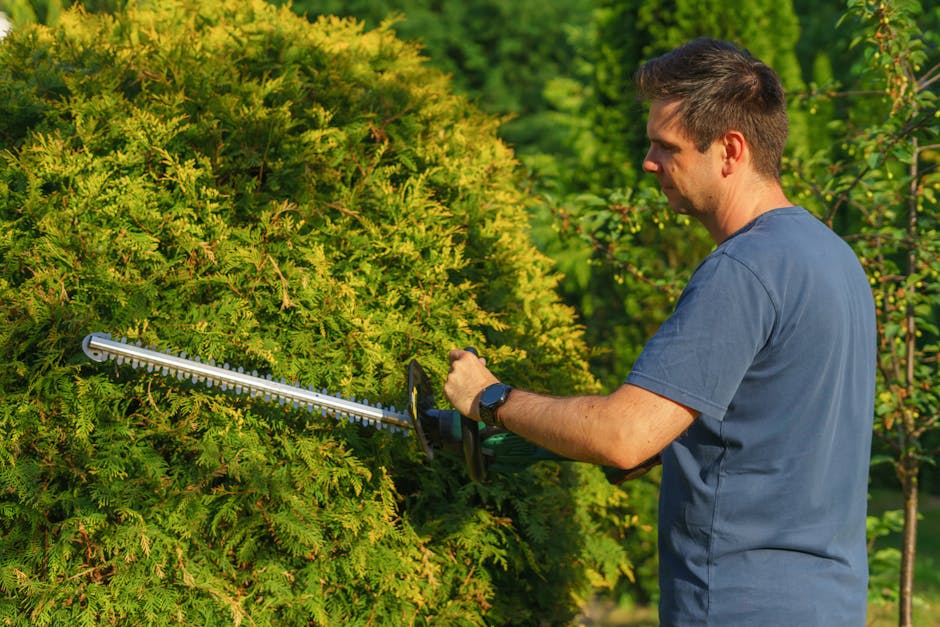
In practice, a professional visit usually follows a simple pattern. First comes the inspection: checking for nesting birds, dead wood, weak stems, disease, and uneven growth. Then comes the shaping, usually with clean cuts that respect the plant's natural form. After that, the gardener clears the waste and checks the finish from different angles, because what looks straight from one side can look slightly off from another. It happens more often than people think.
Season matters too. Some hedges are best trimmed lightly and regularly during the growing season, while others prefer a bigger cut at a specific point in the year. Cutting at the wrong time can reduce flowering, weaken new growth, or leave the hedge looking thin. That is why local experience is useful. A gardener who understands London gardens will usually work with the hedge, not fight it.
For gardens that have become overgrown in other areas as well, a reset may help. You might find it useful to explore practical ideas for reviving a neglected garden or how to remove ivy before it takes over boundary planting. Hedge work often sits inside a wider tidy-up, not in isolation.
Key benefits and practical advantages
There is the obvious benefit: a hedge that looks neat. But the practical advantages go quite a bit further than appearance. In a dense urban setting, a well-kept hedge can improve how the whole property functions day to day.
- Better privacy: A correctly shaped hedge gives screening without making the garden feel boxed in.
- Healthier growth: Light and air can reach the inner structure, reducing dead patches and encouraging denser growth.
- Cleaner boundaries: Trimming keeps hedges from leaning into paths, drives, or neighbouring plots.
- Safer access: Clear sightlines help with entrances, steps, and pedestrian movement.
- Improved kerb appeal: A crisp hedge can make a front garden look looked-after even before the lawn or paving is touched.
- Less long-term damage: Regular trimming is usually easier and less stressful for the plant than letting it go for years and then hacking it back hard.
There is also a quieter benefit: the garden starts feeling easier to use. When the hedge stops throwing shade into the wrong corner, your seating area may feel brighter. When the boundary is under control, the whole space can breathe a little. That calm, ordered feeling is often what homeowners notice first, even before they comment on the shape.
If you are thinking about reshaping the wider garden, there are useful ideas in designing a seating space that feels relaxing and creating a calmer garden layout. A well-trimmed hedge can support both.
Who this is for and when it makes sense
This service makes sense for a surprisingly wide range of properties. Front gardens with formal hedges need regular shaping. Rear gardens with privacy screens may need seasonal thinning, height control, or corrective pruning. Even a small courtyard garden can benefit if a hedge is starting to steal light or crowd a path.
You may want a hedge trimming gardener if you are:
- a homeowner who wants the garden to look sharper with less stress;
- a landlord or property manager keeping a rental frontage presentable;
- a family trying to reclaim usable space from overgrown screening;
- someone preparing to sell and hoping the exterior gives a stronger first impression;
- a gardener who knows the hedge needs help but does not want to risk cutting it badly.
It also makes sense after storms, heavy seasonal growth, or a long gap between visits. London weather can be a bit unpredictable, and hedges tend to respond quickly when conditions are mild and wet. One warm spell and suddenly the boundary has jumped ahead of you. You know the feeling.
If wind exposure is part of your garden's story, this is where good hedge management links neatly with wind-smart garden planning and preparing plants for harsher weather. Trimming can reduce wind drag and help the hedge stand better through rougher spells.
Step-by-step guidance
If you want a sensible way to think about hedge trimming, start here. It helps to separate a tidy result from a random cut.
- Identify the hedge type. Formal evergreen, informal mixed hedge, flowering hedge, and fast-growing screening plants all respond differently.
- Check the season and growth stage. Some hedges tolerate repeated light trims; others need a single well-timed cut.
- Inspect for nesting birds or active wildlife. If the hedge is occupied, the work may need to be delayed or adjusted.
- Decide on the goal. Are you reducing height, narrowing the hedge, restoring shape, or simply maintaining it?
- Set the line first. A straight eye-line or guide string helps prevent a wavy finish, especially on longer runs.
- Trim in stages. It is usually better to remove less and reassess than to cut too much and regret it later.
- Shape with a slight taper. Wider at the bottom, slightly narrower at the top. That way the lower foliage gets light and stays fuller.
- Clear and review. Remove clippings, step back, and look at the hedge from several angles before you call it done.
That may sound straightforward, and it often is, but the tricky part is judgement. Two hedges can be the same species and still need different handling because one has been neglected, one has been over-clipped, and one is trying very hard to recover from a bad year. Gardeners notice this quickly.
Expert tips for better results
A few small choices can make the finished hedge look noticeably more professional. These are the details people often miss when they try to do it themselves.
- Trim on a dry day if possible. Wet foliage clumps, hides uneven cuts, and makes the work less comfortable.
- Use the right cutting rhythm. Fast, repeated snips can create ragged edges; slow, steady cuts tend to look cleaner.
- Keep the top slightly narrower. A flat-sided hedge with a too-wide top shades the bottom and weakens it over time.
- Do not chase perfection in one visit. If the hedge has been neglected, restoration may need more than one session.
- Watch for hidden issues. Bare stems, canker, and dead sections are easier to spot after an initial trim.
- Think about the path and the sky line. A hedge that is technically neat can still feel wrong if it blocks windows or creates a tunnel effect.
Expert summary: the best hedge work is usually the work you only notice because the garden suddenly looks calmer, brighter, and better balanced. Not flashy. Just right.
A useful extra tip: if you are also reworking the ground layer beneath a hedge, look at low-maintenance ground cover options and practical weed control advice. The area under a hedge can look scruffy very quickly if it is ignored.
Common mistakes to avoid
Most hedge problems are not caused by one huge mistake. They are caused by a handful of small ones repeated over time. A little too much here, a bit too late there, and suddenly the hedge is thin, lopsided, or brown at the base.
- Cutting too hard into old wood: Some species recover slowly, and a severe cut can leave gaps for years.
- Trimming at the wrong time: This can reduce flowering or interfere with nesting season in a way you may not intend.
- Making the hedge boxy from top to bottom: It looks tidy at first, but it often starves the lower growth.
- Ignoring one side of the hedge: A hedge near a wall, fence, or boundary can look fine from one angle and shabby from another.
- Leaving clippings in place: They trap moisture, create mess, and can encourage disease.
- Forgetting access and safety: Ladders, stepping platforms, and power tools all need careful handling. No shortcuts there.
Another common one? Assuming every hedge should be treated the same way just because it is green and growing. That sounds obvious, but people do it all the time. A clipping approach that suits privet may not be right for yew, laurel, or a mixed native hedge.
Tools, resources and recommendations
The right equipment makes hedge work cleaner, quicker, and much less stressful. Even so, good tools do not replace skill. They just make good judgement easier to carry out.
| Method or tool | Best for | What to think about |
|---|---|---|
| Hand shears | Fine finishing and small hedges | Quiet, controlled, and tidy, but slower on long runs |
| Hedge trimmer | Regular maintenance and larger hedges | Efficient, but can leave a rough finish if rushed |
| Pole trimmer | Taller hedges and hard-to-reach tops | Useful for access, though angle control matters a lot |
| Secateurs | Detailed corrections and woody stems | Helpful for selective cuts near the hedge base |
| Protective gloves and eye protection | General hedge work | Simple essentials, especially with thorny or brittle growth |
If you are building a broader garden plan, it can also help to look at vertical gardening ideas, container growing for tighter spaces, and essential garden tools. On smaller Fulham-style plots, the hedge is only one part of the picture.
For homeowners who want the rest of the outdoor area to keep pace with a trimmed hedge, related services such as regular garden maintenance and lawn care and mowing can help the whole space feel consistent. A neat hedge beside a patchy lawn can look odd, to be fair.
Law, compliance, standards and best practice
Hedge trimming in London is usually straightforward, but there are still sensible standards to follow. If a hedge may contain nesting birds, work should be paused or adjusted. That is a practical wildlife consideration, not just a nicety. If a hedge sits on a boundary, it is also wise to avoid assuming ownership or responsibility without checking first.
Health and safety matters too. Cutting tall hedges involves height, sharp tools, falling debris, and sometimes awkward access. Professional gardeners normally work with appropriate protective equipment, careful setup, and a method that reduces risk to people, pets, and property. On a busy road like Fulham Palace Road, that also means thinking about foot traffic, dropped cuttings, and keeping the work area controlled.
Best practice is simple: work carefully, communicate clearly, and do not damage the hedge just to make it look neat for a day. A good trim should support the plant long term. If you ever feel unsure about access, reach, or the condition of a hedge, that is the moment to slow down and assess rather than push on. A sensible pause saves a lot of trouble.
For peace of mind around how a professional service is run, you may also want to review insurance and safety information, the health and safety policy, and the terms and conditions. Those pages help set expectations before any work begins.
Options, methods, and comparison
Not every hedge needs the same style of care. Some are best maintained with light, regular trimming. Others need a more selective and patient approach. The right choice depends on the species, the hedge's age, and what you want the space to do.
| Approach | Best use | Strengths | Watch-outs |
|---|---|---|---|
| Light maintenance trim | Healthy hedges with regular growth | Keeps shape tidy and avoids big corrective cuts | Needs consistency through the year |
| Restorative reduction | Overgrown hedges that have been neglected | Recovers structure and improves access | May take more than one visit and careful judgement |
| Selective pruning | Flowering or mixed hedges | Preserves natural character and supports blooms | Slower and more detailed |
| Formal shaping | Front gardens and architectural boundaries | Sharp visual finish and strong kerb appeal | Needs accuracy, especially on visible street-facing edges |
If your hedge is part of a wider privacy strategy, compare it with other screening ideas too. Sometimes a hedge works best alongside carefully chosen trees for shade or privacy or with other planting layers such as alternative hedge varieties. A layered approach often looks more natural than a single hard line.
Case study or real-world example
Imagine a Fulham Palace Road terrace with a mature hedge running along the front boundary. It has done its job for years, but recently the top has crept up, the base has started to thin, and the lower branches are leaning into the pavement. Nothing dramatic. Just enough to make the property look a bit tired every time you come home.
A gardener starts by checking the hedge type and the season, then trims the outer face carefully rather than taking everything back at once. The height is reduced slightly, the sides are tapered, and the lower growth is opened up to light. Clippings are removed immediately. A few small dead sections are noted for later recovery work, but the main result is clear: the frontage looks sharper, the hedge feels fuller, and the path outside the house is usable again.
It is a small shift, really. Yet on a street where people notice details, small shifts matter. The hedge no longer shouts for attention; it just does its job quietly and well. That is usually the sweet spot.
Practical checklist
Use this before booking or starting hedge work. It keeps the job grounded.
- Identify the hedge species, or at least whether it is formal, informal, evergreen, or flowering.
- Check whether the hedge is on your property boundary or shared in some way.
- Look for nesting birds or signs of active wildlife.
- Decide whether the aim is shape, height reduction, width control, or recovery.
- Inspect for bare patches, disease, dead wood, or storm damage.
- Think about access: can the hedge be reached safely from ground level?
- Clear the area below the hedge so cuttings are easier to collect.
- Confirm whether the surrounding lawn, paving, or planting needs protection.
- Plan for aftercare if the hedge has been cut back quite hard.
- Consider whether the hedge is part of a wider garden refresh.
If your outdoor space needs more than hedge care alone, it can be worth thinking in layers: tidy the boundary, then sort the paving, then bring the planting back into balance. Related options like patio cleaning, landscaping support, or boundary improvements may help the whole property feel more coherent.
Get a free quote today and see how much you can save.
Conclusion
Hedge trimming gardeners for Fulham Palace Road properties do more than tidy a border. They help protect privacy, support plant health, improve safety, and restore the calm, cared-for look that makes a home feel finished. Done well, hedge work blends practical maintenance with a light design touch. That is why it matters.
If you are weighing up whether to trim, reshape, or restore a hedge, start with the hedge itself: what species is it, what has it been doing lately, and what do you need it to do next? A thoughtful answer there usually leads to the right plan. And if the job feels bigger than a quick cut, that is not a failure. It is just a sign the garden wants proper attention. Which, honestly, is often the nicest thing you can give it.

With his gardening proficiency, Jeffrey can craft informative articles on landscaping, lawn care, and garden maintenance, assisting a multitude of people in cultivating their dream gardens.